
Pre-Listing Roof Inspection: What Westfield Sellers Should Check Before Listing
Yes, in most cases. A pre-listing roof inspection tells you what a buyer's inspector is likely to report, while you still have time to repair it, disclose it, or price around it. Waiting until a buyer's report arrives means negotiating from surprise, at the most sensitive point of the sale.
Why Sellers Inspect First
Selling a home means handing a stranger every reason to look closely at it, and the roof is one of the first things a buyer, an inspector, and an appraiser will all examine. A pre-listing roof inspection simply moves that scrutiny forward, to a point where you still control the response. Instead of learning about a worn valley, a tired flashing detail, or an aging covering during a negotiation, you learn about it while you can still choose how to handle it.
That control is the real benefit. Some findings are quick to put right: a slipped shingle, a blocked gutter, a seal that has dried out around a vent. Others are bigger decisions, such as a roof approaching the end of its serviceable life, and those deserve thought, quotes, and a pricing conversation with your agent, not a rushed answer under offer pressure. Knowing early also lets you gather paperwork — prior repair receipts, warranty documents, and the age of the covering if you know it — so your listing answers are accurate rather than guessed.
There is also a disclosure angle worth taking seriously. Sellers are generally expected to be honest about known problems with a home, and a written roof report creates a clear record of what you knew and when. Fixing what you fix, disclosing what you leave, and pricing accordingly is a far stronger position than hoping a buyer's inspector misses something. Inspectors rarely miss roof problems that matter; they are trained to look in exactly the places sellers tend to overlook, from the attic side of the decking to the flashing at chimneys and sidewalls.
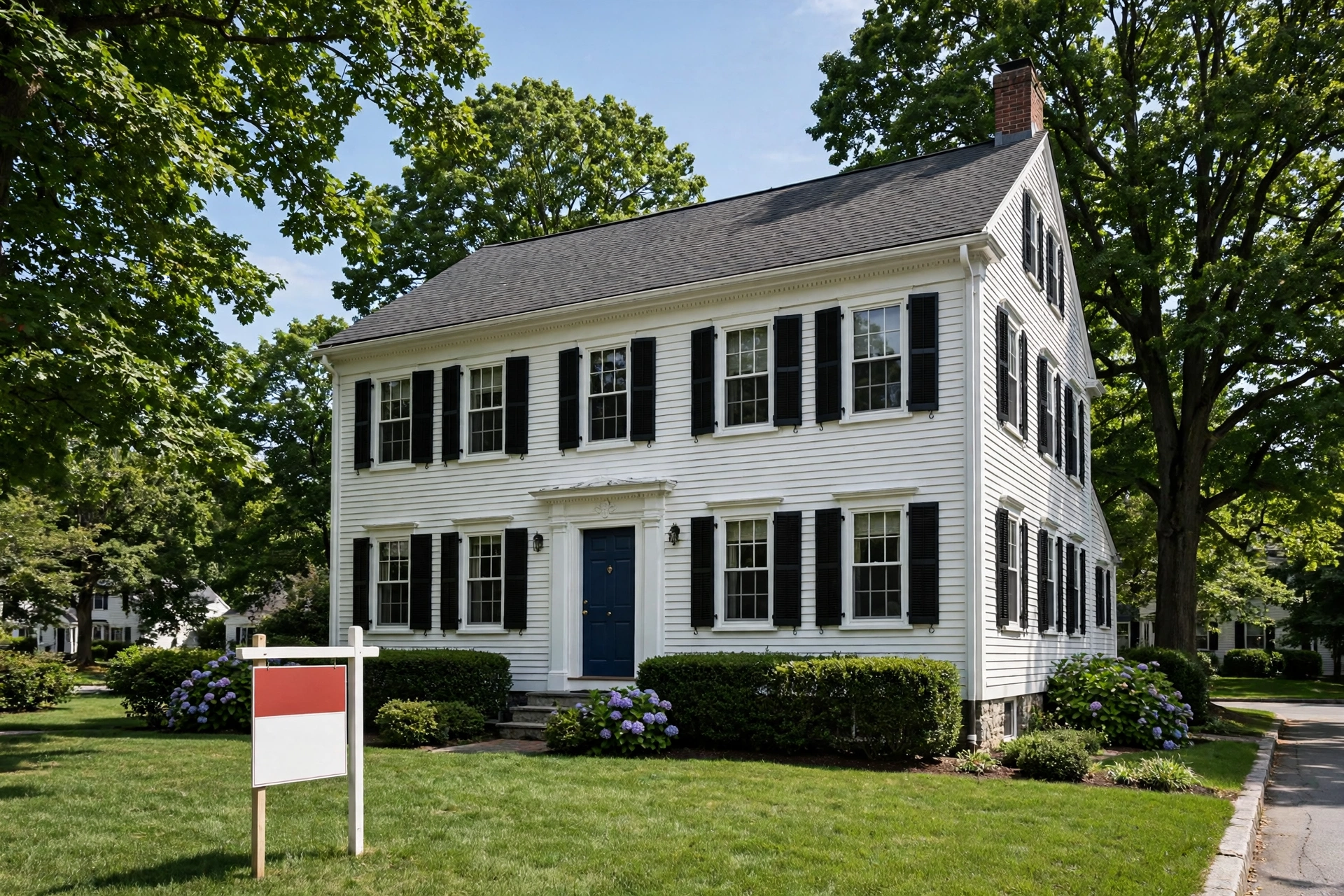
What Buyers' Inspectors Will Find Anyway
It helps to think like the inspector who will visit after an offer. They will walk the covering where it is safe to do so, look for missing, cracked, or curling shingles, check valleys where water concentrates, and examine flashing wherever the roof meets a wall, chimney, or vent. They will look at gutters and downspouts for granule build-up and drainage problems, and they will usually look inside the attic for stains, daylight, damp insulation, and decking that feels soft or shows water marking.
The attic check is the one sellers most often forget, because a roof can look tidy from the street while telling a different story underneath. A small, long-running leak may never have stained a ceiling, yet leave clear marks on rafters or decking. An inspector who finds that evidence will report it, and a buyer who reads it will want answers: how long it has been there, whether it is active, and what repair is needed. If you have already had your own inspection, you will have those answers, or at least a plan for getting them, instead of scrambling.
Age matters too, even when a roof looks presentable. An inspector will note the covering type and its apparent condition, and will usually give a general sense of remaining service life as guidance, not as a promise. A roof described as near the end of its life does not automatically end a sale, but it does change the conversation, and sellers who have priced with that in mind negotiate from a steadier position than sellers hearing it for the first time in a buyer's report. For a buyer's-eye view of the process, see our pre-purchase roof inspection guide for Westfield.
Your Report as a Listing Asset
A clear, photo-documented roof report can be a genuine listing asset, provided it is shared honestly. Buyers face uncertainty with every home they consider, and a roof is one of the most expensive unknowns in the purchase. A report that documents condition slope by slope, names the items that need attention, and shows what has already been repaired gives buyers something concrete to rely on, and it signals that the seller has nothing to hide about the roof.
That confidence shows up in practical ways. Buyers who can see the roof's condition in writing may ask fewer open-ended questions, may feel less need to price in a worst case, and may move through their own inspection with fewer surprises. None of that is assured, and a seller's report never binds a buyer or their inspector, but a transparent file is consistently easier to negotiate around than silence followed by a surprise finding.
Presentation matters as much as content. Keep the full report, not just a summary, and keep it with receipts and invoices for any work completed after the inspection. If a repair was made, a receipt showing what was done, and by whom, is worth more than a verbal assurance. If an item was left as-is, a note explaining that choice, and how it is reflected in the asking price, keeps the conversation factual. Buyers, agents, and advisers all prefer a paper trail to a promise.
Credits vs Repairs Before Listing
Once you have a report, the central decision is what to fix and what to leave for negotiation. There is no single right answer, and the choice usually turns on the type of finding, the state of the market, and your own appetite for managing work before a move. Repairs you complete before listing let you control quality and cost, and let you show finished work rather than a problem. Credits, where the price reflects an agreed allowance for work the buyer will arrange, keep the sale simpler but require the buyer to trust the allowance covers the job.
As a general guide, active leaks, damaged flashing that lets water in, and missing or broken covering are strong candidates for repair before listing, because they are the findings most likely to worry a buyer and to reappear in their inspector's report. Cosmetic wear, an aging but still serviceable covering, and minor maintenance items are more often handled through disclosure and pricing, especially when the seller would rather not open up a larger project on the eve of a move.
Whatever you choose, get the reasoning in writing and discuss it with your agent before the listing goes live. A repair done without a receipt, or a credit offered without a clear scope of the work it covers, can both create confusion later. And be wary of quick cosmetic fixes that hide a problem rather than solving it: a fresh coating over damaged decking, or new shingles laid over a leak source that was never addressed, tends to be found out, and the discovery damages trust far more than the original problem would have. For cost context, see our guide to roof inspection cost in Westfield, MA.

Timing Inside a Sale
The best time for a pre-listing inspection is early in your sale preparations, before photography, before showings, and before you settle on an asking price that assumes a clean roof report. That sequence matters: inspection findings can reasonably affect pricing, and it is far easier to adjust a price before a listing launches than to renegotiate it after buyers have already formed expectations from the listing.
Early timing also leaves room for follow-up. Some findings call for a roofer's quote, a second look at the attic after rain, or a specialist view of a flat section or a slate slope, and none of that is well done in a hurry. If a repair is chosen, it needs scheduling, completion, and documentation, all of which take calendar time that is hard to find once offers are on the table. A seller who inspects early can present a finished file; a seller who inspects late presents a work in progress.
Even if you are already listed, an inspection is still worth doing. A mid-listing report lets you answer buyer questions with facts, adjust your position deliberately, and avoid the worst outcome of all: a buyer's inspection that becomes the first inspection anyone has done, with its findings landing at the most sensitive point of the transaction. At any stage, the principle is the same — know your roof before someone else's report tells you about it. For how buyers approach the same questions, see our guide for Massachusetts home buyers.
Related reading: pre-purchase roof inspection in Westfield, roof inspection for Massachusetts home buyers, and roof inspection cost in Westfield, MA
Get a Pre-Listing Roof Report
Book an independent pre-listing inspection and go into your sale knowing what buyers will find. Call (213) 646-7883.
Pre-Purchase Roof InspectionsFrequently Asked Questions
In most cases, yes. A pre-listing inspection tells you what a buyer's inspector is likely to report, so you can fix, disclose, or price around it on your own terms instead of reacting to it during negotiations.
No. A buyer will usually still arrange their own inspection, and their inspector will form an independent view. Your report is useful background and a record of what you knew and addressed, not a substitute for theirs.
Not necessarily. Safety and leak-related items are usually worth addressing, while cosmetic or age-related wear can often be disclosed and reflected in pricing. Your agent can help you weigh repair against credit for each item.
Share it accurately and completely rather than selectively. A report shared in full, with receipts for any work done, builds more confidence than a summary that leaves buyers wondering what was left out.