
Do Home Inspectors Check the Roof? A Westfield Buyer's Guide
A home inspector in Westfield, MA does check the roof, but at a general level: visible shingle condition, flashing, gutters, and obvious defects, usually observed from the ground. The hands-on roof walk is frequently disclaimed when the pitch is steep, the surface is wet or brittle, or the material is fragile slate. That disclaimer is the moment a dedicated roof inspection becomes necessary — because the roof is the most expensive system in the house, and a ground-level look cannot verify its remaining life.
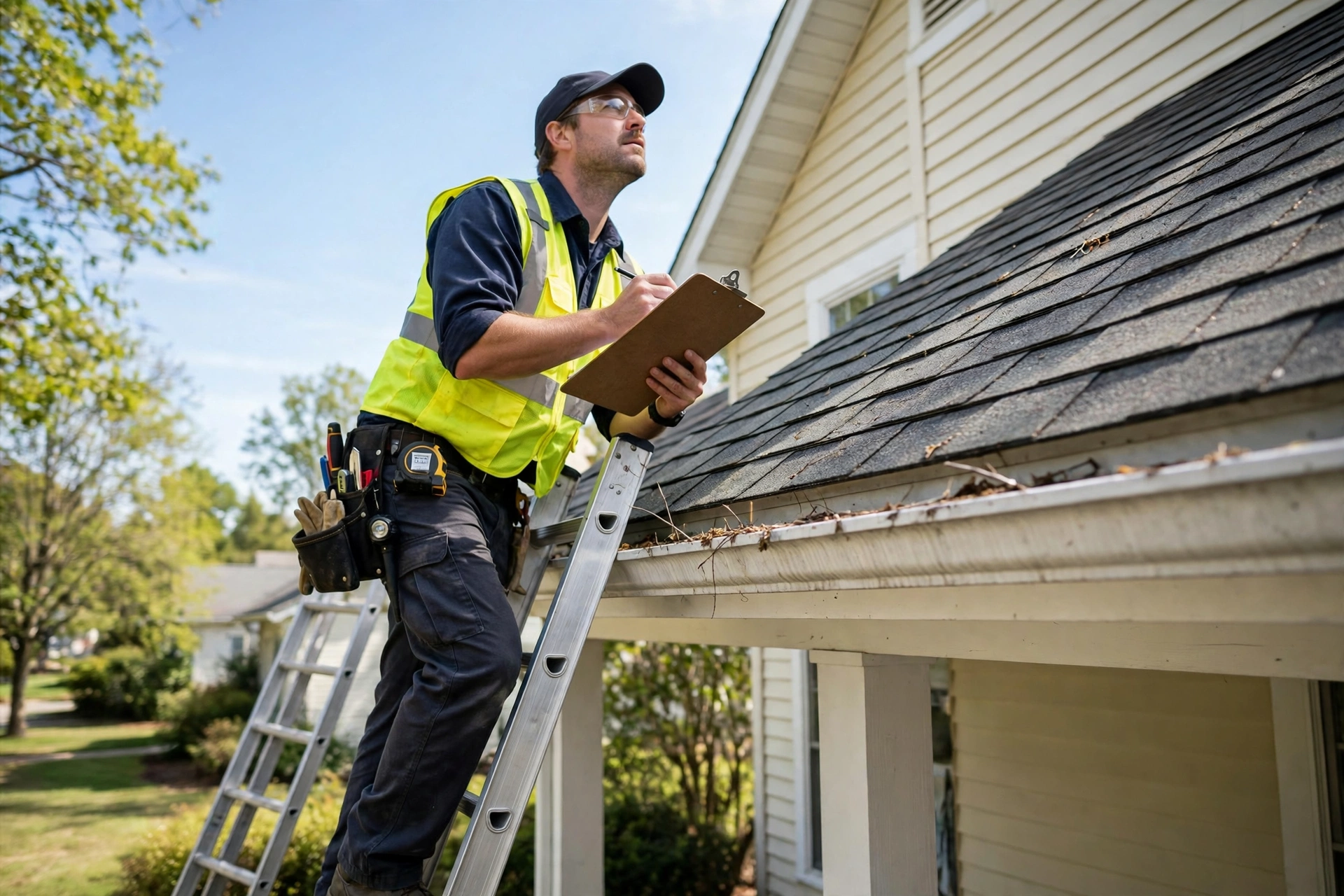
What a Home Inspector Actually Checks on a Roof
During a standard home inspection in Westfield, MA, the inspector works through dozens of systems in two to three hours. For the roof, the typical checklist is visual:
- Visible shingle condition: missing, curled, or obviously damaged tabs seen from the ground.
- Flashing: chimney, vent, and valley flashing visible without climbing.
- Gutters and downspouts: attachment, sagging, and drainage direction.
- Obvious structural signs: sagging ridges or decking visible from outside.
- Attic hatch observations: limited moisture or daylight notes where the hatch allows.
What is not on that list matters more: no tab-adhesion testing, no layer counts, no granule-loss measurement, no full attic decking survey, and no remaining-lifespan estimate. Those are roofing-specialist measurements, and a generalist report will usually say so — recommending a roofing contractor or inspector for further evaluation.
Why Reports Say "Roof Not Walked"
A disclaimer is not a red flag about the inspector; it is a safety decision. Walking a roof is unsafe when the pitch is steep, when shingles are wet, frozen, or brittle with age, or when the material is slate that cracks underfoot. An inspector who damages a roof during a general inspection creates a liability problem for everyone. So the standard practice is to observe from the ground, note the limitation honestly, and refer the roof to a specialist.
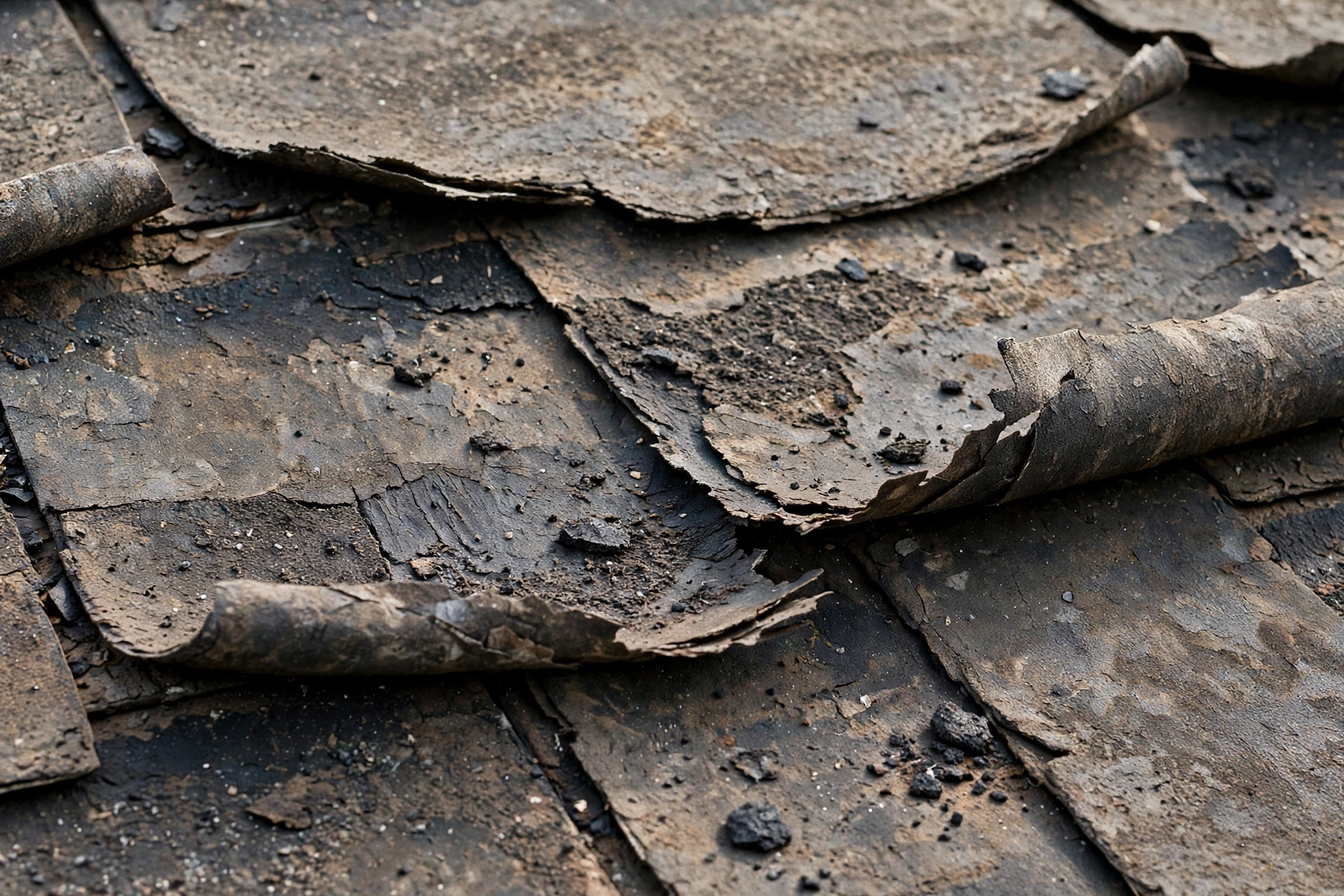
In Westfield, that limitation bites hardest on the homes buyers compete for: century-old slate in Downtown, multi-layer asphalt in East Farms and Little River, and wind-exposed roofs in Wyben and West Farms. A clean driveway view on those homes can hide layer violations, flashing decay, and attic-side rot that only a hands-on inspection finds.
When a Dedicated Roof Inspection Is Worth It
Get a dedicated roof inspection in Westfield, MA when any of these apply: the home is more than 15 years old; the roof is slate, cedar, or multi-layer asphalt; the seller disclosed past leaks or storm claims; the home inspection report disclaims the roof walk; or your contingency window is short. The dedicated report gives you what the general report cannot: exact layer counts (Massachusetts code allows a maximum of two), remaining lifespan, photo-documented storm evidence, and a written report lenders and attorneys accept for negotiation.
If you are deciding between the two inspections, read our companion guide on home inspection vs roof inspection in Westfield, MA — it lays out scope, report depth, and negotiating power side by side.
What to Do With a Roof Disclaimer in Your Report
Treat a roof disclaimer as an instruction, not a footnote. Before your contingency window closes: book a dedicated roof inspection, get the photo-documented report, and use its findings to request seller credits, price adjustments, or pre-closing repairs. Our Westfield dispatch schedules rapidly for exactly this situation, and reports are written for negotiation — exact conditions, photographs, and repair timelines.
Was Your Roof Walk Disclaimed?
Book a dedicated roof inspection before your contingency window closes. Call our Westfield dispatch directly at (213) 646-7883.
Pre-Purchase Roof InspectionFrequently Asked Questions
Yes, but only at a general level. A home inspector observes the roof's visible condition, usually from the ground, and reports obvious defects. The roof walk is often disclaimed when the pitch is steep, the surface is wet or brittle, or the material is fragile slate.
Visible shingle condition, missing or damaged tabs, flashing around chimneys and vents, gutter and downspout condition, and signs of sagging or past leaks visible from outside or in the attic hatch area. They do not test shingle adhesion, count layers, or estimate remaining lifespan in detail.
Safety and liability. Walking a steep, wet, frozen, or brittle roof risks injury and damage to the roof itself, so inspectors observe from the ground and recommend a roofing specialist for a hands-on evaluation.
For older Westfield homes, slate or multi-layer roofs, homes with past leaks or storm claims, or any purchase where the report disclaims the roof walk — yes. A dedicated roof inspection walks safe slopes, enters the attic, and documents layer counts, lifespan, and storm evidence you can negotiate with.