
Home Inspection vs Roof Inspection in Westfield, MA
A standard home inspection covers dozens of systems in two to three hours and usually checks the roof from the ground. A dedicated roof inspection focuses 100% on the roofing envelope: walking safe slopes, testing shingle adhesion, inspecting flashing and valleys, entering the attic, and documenting remaining lifespan. In Westfield, where buyers face tight contingency windows and older housing stock, the two inspections answer different questions — and most buyers need both.
What a Standard Home Inspection Covers
A home inspection in Westfield, MA is a broad survey of an entire property: structure, electrical, plumbing, heating, cooling, insulation, windows, and the visible condition of the roof. The inspector's job is to flag concerns across all of these systems within a few hours and recommend specialists where deeper evaluation is needed.
That breadth is the point — and also the limitation. The roof typically gets a fraction of the visit. When the pitch is steep, the surface is wet or brittle, or the material is fragile slate, the inspector will often note the roof as "not walked" and assess it from the driveway instead. In Westfield's older neighborhoods — Downtown Victorians, Little River ranches, Wyben farmhouses — that ground-level view misses exactly the defects that cost buyers money after closing.
What a Dedicated Roof Inspection Covers
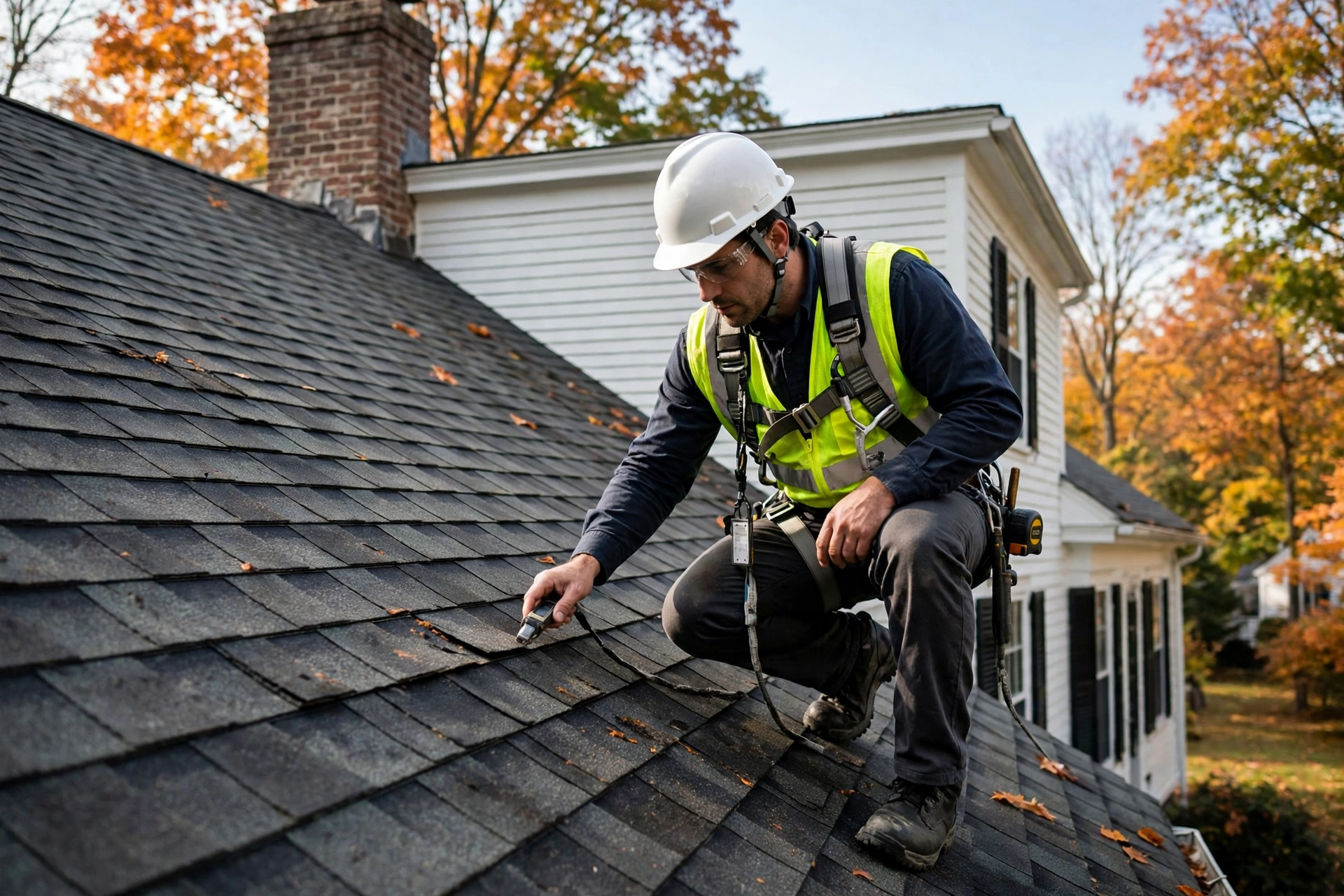
A dedicated roof inspection in Westfield, MA spends its entire visit on one system: the roof and everything that keeps water out of the house. A typical inspection includes:
- Full physical surface audit: walking all safe slopes to test tab adhesion, granule bonding, and shingle flexibility.
- Flashing and penetration checks: step flashing at chimneys, counter-flashing caulking, skylight curbs, and plumbing vent boots.
- Valley and drainage review: valley metal, gutters, downspouts, and drip edges that move Pioneer Valley rain and snowmelt off the roof.
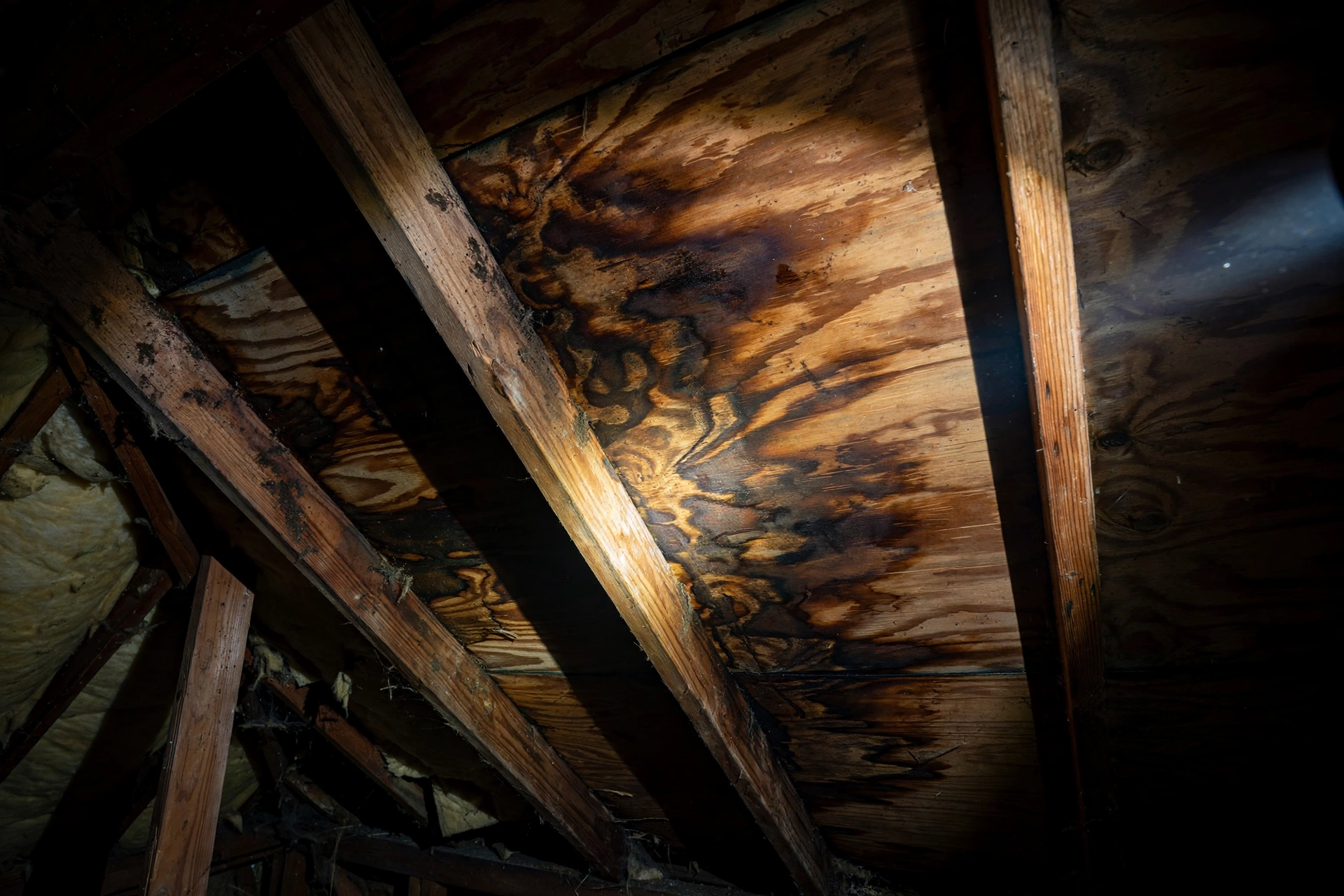
- Attic and decking survey: entering the attic where accessible to check sheathing, rafters, moisture staining, mold indicators, and ventilation balance.
- Layer counts and lifespan: how many shingle layers are on the roof (Massachusetts code allows a maximum of two) and how much service life remains.
- Storm evidence: hail bruising, wind-creased tabs, and flashing displacement documented with photographs for insurance or negotiation.
The deliverable is different too: a photo-documented written report with exact conditions, code issues, and realistic timelines — the kind of document lenders, attorneys, and closing agents accept when a buyer asks for credits or repairs.
Why Roof Walks Get Disclaimed
Disclaimers are not laziness; they are a safety and liability decision. Walking a roof is unsafe when the pitch is steep, when shingles are wet, frozen, or brittle, or when the material is slate that cracks underfoot. A generalist inspector who damages a roof during a general inspection creates a liability problem, so the standard practice is to observe from the ground and recommend a specialist.
The consequence for buyers is a gap: the most expensive system on the house gets the lightest look. That gap is widest on exactly the homes Westfield buyers compete for — century-old slate in Downtown, multi-layer asphalt in East Farms, and wind-exposed roofs in Wyben and West Farms.
Home Inspection vs Roof Inspection: Side by Side
- Scope: home inspection covers the whole house; roof inspection covers one system in depth.
- Time on the roof: minutes from the ground vs. a full hands-on and attic evaluation.
- Roof walking: often disclaimed vs. walked wherever safe, with aerial and attic methods where walking is not possible.
- Report depth: general observations and specialist referrals vs. layer counts, lifespan estimates, and photo-documented defects.
- Negotiating power: a general note vs. itemized evidence a seller, lender, or attorney can act on.
When Westfield Buyers Need Both
Get both inspections when any of these apply: the home is more than 15 years old; the roof material is slate, cedar, or multi-layer asphalt; the seller's disclosure mentions past leaks or storm claims; the home sits in a wind-exposed or ice-dam-prone area such as Wyben, Little River, or Hampton Ponds; or your contingency window is short and you cannot afford a surprise after closing. In competitive Westfield bidding, the roof report is often what separates a confident offer from an expensive mistake.
If you are already under contract, schedule the roof inspection inside your contingency window — not after it. Our Westfield dispatch offers rapid scheduling for exactly this reason, and reports are written for negotiation: exact conditions, photographs, and repair timelines, not vague observations.
What About Cost?
Pricing for a dedicated roof inspection depends on property type, roof size and pitch, access complexity, and whether thermal imaging, drone imagery, or insurance-grade documentation is required. A standard visual assessment and a multi-page insurance-ready report are different products at different prices. Call our Westfield dispatch at (213) 646-7883 with your property details for exact pricing — and compare that against the cost of replacing a roof you did not know was failing.
Related reading: do home inspectors check the roof, what a Westfield roof inspection costs, and the pre-purchase contingency guide.
Buying a Home in Westfield?
Book a dedicated roof inspection before your contingency window closes. Call our Westfield dispatch directly at (213) 646-7883.
Pre-Purchase Roof InspectionFrequently Asked Questions
Only partially. A standard home inspection includes a general roof overview, usually from the ground, and often disclaims the roof walk entirely when the pitch is steep or conditions are wet. It does not replace a dedicated roof inspection that walks safe slopes, tests shingle adhesion, and enters the attic.
Safety and liability: steep pitches, wet or brittle surfaces, fragile slate, and winter ice make walking unsafe, and a generalist inspector cannot risk damaging the roof. When the walk is disclaimed, the roof is typically assessed with binoculars from the driveway, which misses flashing decay, granule loss, and attic-side moisture.
For most Westfield purchases, yes — especially for older colonials, Victorians, and homes with slate or multi-layer shingles. The home inspection covers the whole house; the roof inspection gives you remaining lifespan, layer counts, and storm damage evidence you can use to negotiate credits or repairs before closing.
Yes. An objective, photo-documented roof inspection report detailing code violations, layer counts, and structural deficiencies is routinely used by buyers to request seller credits, price adjustments, or pre-closing roof repairs.