
Roof Storm Damage Inspection in Westfield, MA
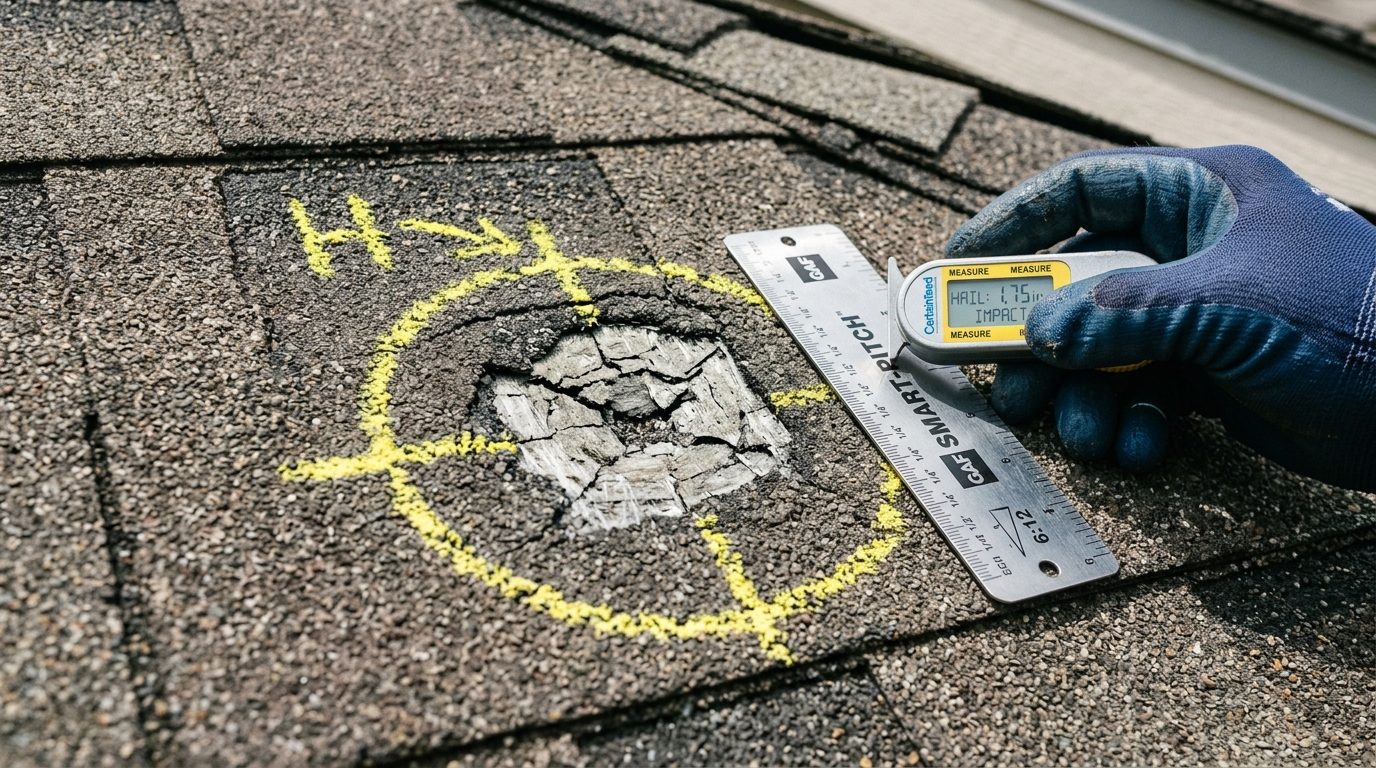
A storm damage inspection evaluates wind-creased or missing shingles, detached ridge caps, impact punctures from branches, loosened gutters, and displaced chimney flashing after severe New England storms. In Westfield, MA, inspections document the date and severity of weather events to provide the photographic evidence required for homeowners insurance claims.
How Severe Weather Impacts Westfield Roofs
Westfield’s terrain exposes local structures to seasonal extreme weather events. In the spring and summer, convective thunderstorms push eastward over the Berkshire hills into the Pioneer Valley, triggering sudden straight-line microburst winds exceeding 60 mph. In late autumn and winter, powerful nor'easters dump heavy, wet snow followed by freezing gales.
These recurring weather fronts cause both immediate catastrophic damage and subtle, latent failures:
- Seal Strip Delamination: High winds break the thermal adhesive strip bonding shingle tabs together. Once unsealed, shingles flap in subsequent breezes, creasing the fiberglass mat.
- Eave & Rake Edge Lift: Edge metal and starter strips take the highest wind shear forces, pulling nails loose along the perimeter.
- Debris Punctures: Dense tree canopies in rural areas like Wyben and Mundale frequently shed oak and pine limbs that puncture the outer roof membrane.
- Ice Dam Compression: Nor'easter snowbanks freeze into solid ice dams that force meltwater upward beneath the shingle overlaps.
Post-Storm Checklist: What to Look For from Ground Level
Safety comes first: never climb on a storm-damaged or wet roof. Instead, walk your property perimeter and look for these tell-tale signs:
- Shingles or tab fragments lying on your lawn, driveway, or landscape beds.
- Sections of ridge vent or cap shingles visibly shifted or missing along roof peaks.
- Dented downspouts, detached gutters, or fascia boards hanging loose.
- Fallen tree limbs resting against roof valleys or eaves.
- Interior ceiling discoloration appearing hours after the storm passes.
Our Comprehensive Storm Damage Inspection Process
When our certified inspectors arrive at your Westfield property, we perform a structured, multi-point evaluation:
1. Perimeter and Gutter Line Survey
We examine downspout discharge for heavy accumulations of asphalt granules, inspect gutter attachments for pull-out caused by wind or snow weight, and verify that drip edge flashing remains securely fastened to the fascia.
2. Shingle Tab Adhesion & Crease Audit
We gently lift suspect shingle tabs across all directional roof slopes. We identify horizontal crease marks, torn nail holes, and missing fasteners—the exact criteria required by insurance adjusters to classify shingles as storm-damaged.
3. Valleys, Flashings & Penetrations
We check valleys for debris scouring and puncture marks, verify pipe collars are intact, and inspect flashing around chimneys and skylights for wind displacement.
4. Attic Decking Inspection
We inspect the interior underside of your roof sheathing to ensure no nails were pulled through the plywood and verify that no hidden moisture is accumulating in insulation batts.
Did a Storm Just Pass Through Westfield?
Most insurance policies require prompt reporting following storm events. Call our local Westfield team at (232) 232-2322 to document your roof's condition before the claim window closes.
Schedule a Post-Storm InspectionFrequently Asked Questions
We recommend having your roof inspected within 48 to 72 hours of any severe weather event. This ensures any hidden punctures or lifted shingles are documented before subsequent rains cause interior drywall damage.
Yes. Wind frequently breaks the seal strip without detaching the shingle completely. The shingle lays back down, looking normal from the ground, but its waterproof seal is broken, making it vulnerable to wind-driven rain.