
Pre-Purchase Roof Inspection in Westfield, MA: The Buyer's Contingency Guide
Yes — when the roof is older, steep, slate, or already flagged by the home inspector, and whenever the purchase price assumes a sound roof. A general home inspection covers the roof briefly and from a distance; a pre-purchase roof inspection in Westfield, MA walks the slopes where safe, measures remaining lifespan, counts layers, and documents the condition in a report you can negotiate with. In a market where a replacement roof is one of the largest single costs a buyer can inherit, that report is cheap insurance against the most expensive surprise in the transaction.
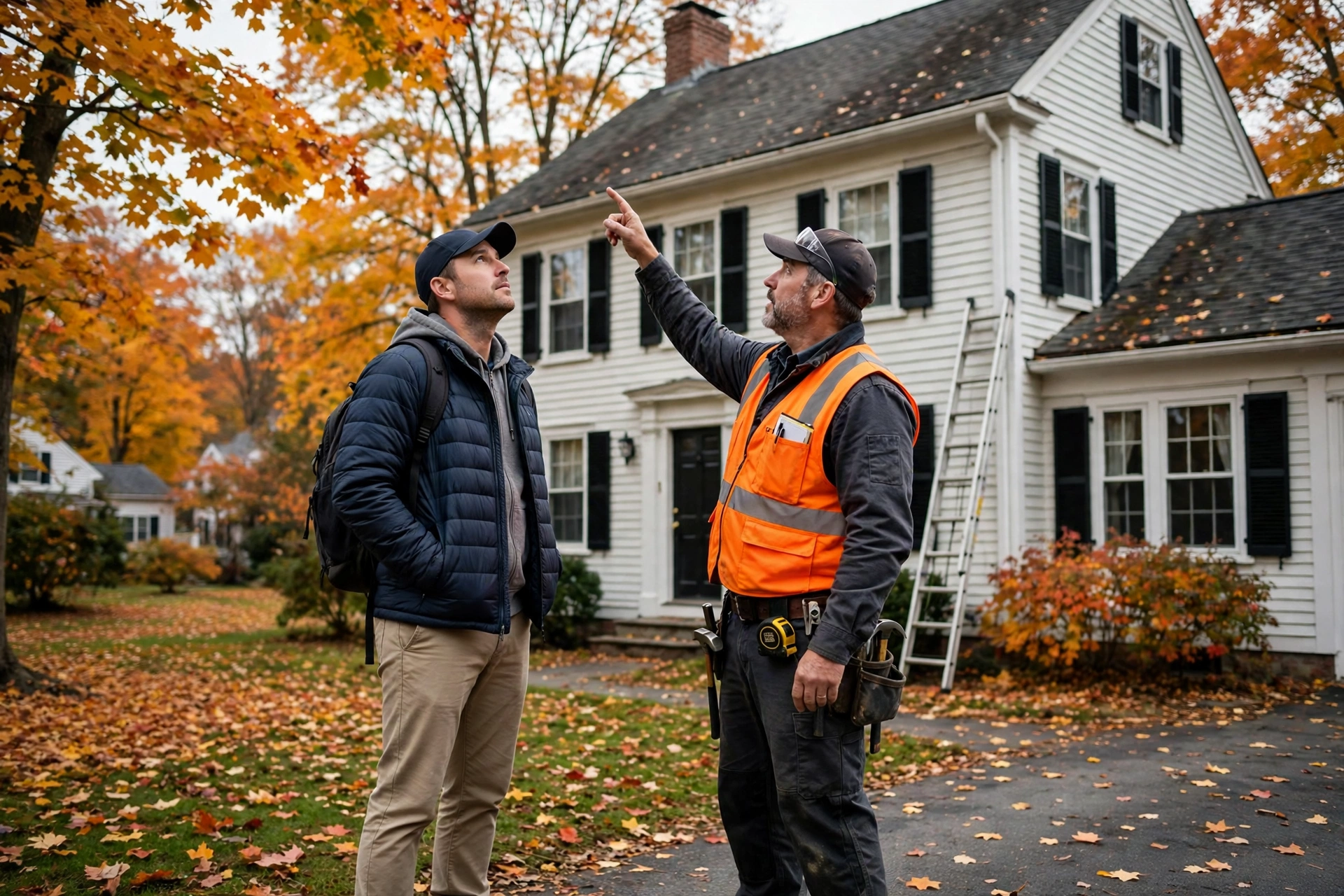
Why a Dedicated Roof Inspection Belongs in Your Contingency
A standard home inspection has to cover an entire house in a few hours, so the roof gets a compressed look — often from the ground or a ladder, with steep, wet, or fragile slopes disclaimed outright. That is normal for a generalist inspection, and it is exactly why roof problems are among the most common post-closing surprises.
A dedicated roof inspection does one thing deeply: it evaluates the covering, flashing, valleys, penetrations, attic, and decking, and it puts a number on remaining lifespan. That number is what your contingency is really about — not whether the roof leaks today, but how many years of service you are buying.
Our home inspection vs roof inspection comparison and our guide to what home inspectors actually check on a roof explain the gap between the two inspections in detail.
What the Inspection Measures: Lifespan, Layers, and Risk
The report should answer four questions:
- Remaining lifespan: how many serviceable years the current covering has left, given its material, age, and observed wear.
- Layer count: how many roofing layers are installed (Massachusetts code allows a maximum of two shingle layers), because a tear-off costs far more than an overlay.
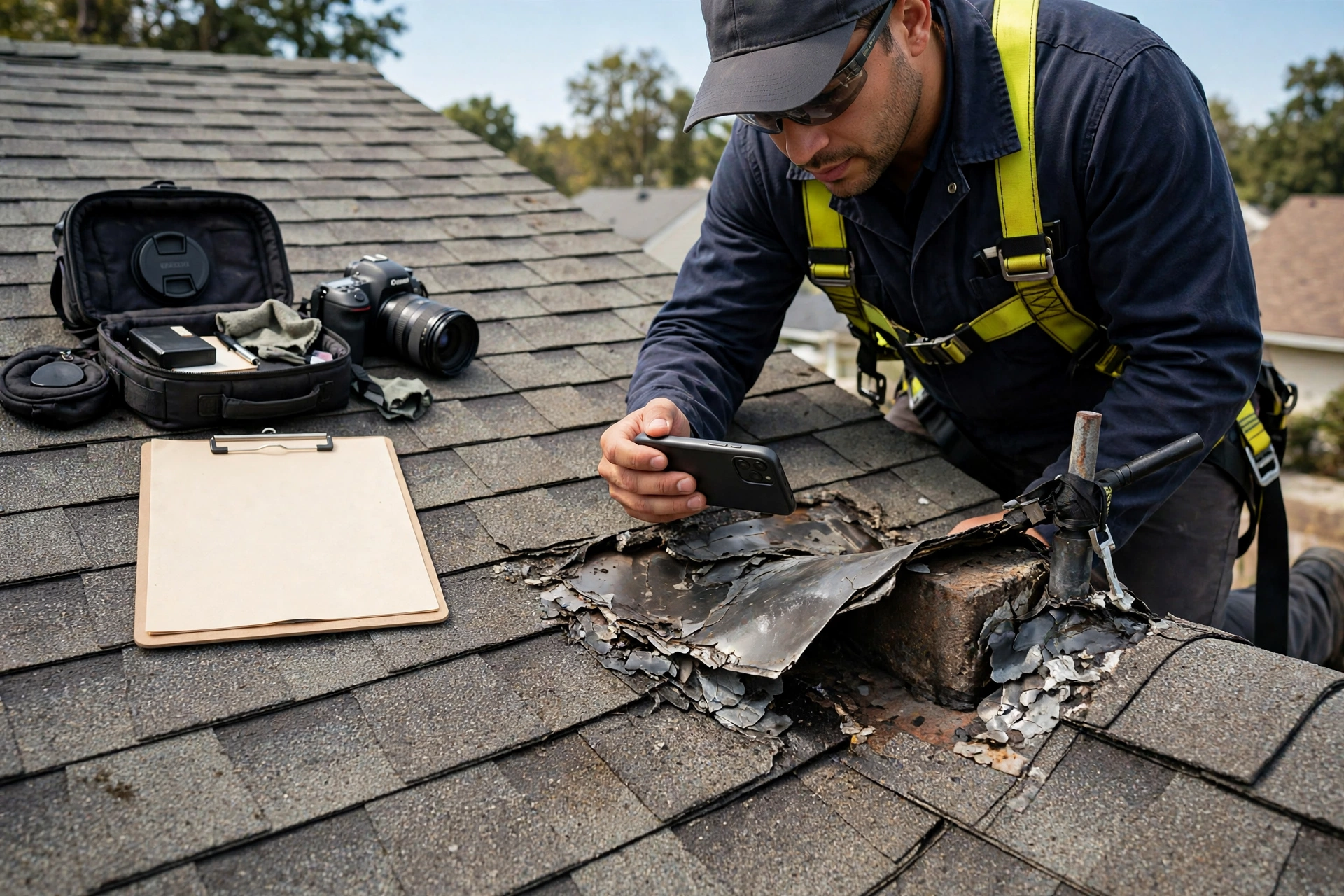
- Active problems: current leaks, failed flashing, damaged valleys, and decking issues — with photos.
- Near-term risk: what will likely need attention in the next few years, so you can budget rather than be surprised.
Vague language — "roof appears serviceable" with no lifespan, no photos, no layer count — is not a usable report. Ask for specifics before you rely on it.
Credits vs Repairs: How Findings Become Negotiation
Findings turn into negotiation in two main ways. A credit reduces what you pay and leaves the work to you, which suits buyers who want control over the contractor and materials. A seller repair gets the work done before closing, which suits defects that affect financing or insurance — but the quality depends on who the seller hires, so completed repairs should be re-inspected where the stakes are high.
Which route fits depends on the defect, the market, and your contract — your agent and attorney should shape the ask. The inspector's job is to give them a documented, itemized basis for it, not to negotiate on your behalf.
What Lenders and Insurers Commonly Look For
Lenders and insurers commonly ask about roof condition because the roof protects the collateral. Active leaks, missing covering, and roofs at or past the end of their serviceable life are the findings most likely to draw conditions — sometimes a repair before closing, sometimes an insurer declining to bind coverage until work is done. Requirements vary by lender, insurer, and loan type, so treat any general statement (including this one) as a prompt to ask your own lender and insurer early, not as a guarantee about your file.
The practical point: order the roof inspection early enough in your window that a lender or insurer condition can still be satisfied before closing, rather than discovered at the last minute.
Timing It Inside Your Inspection Window
Inspection windows are set by your purchase contract and vary from deal to deal — there is no universal Massachusetts deadline. Coordinate the roof inspection as soon as the home inspection flags the roof, or alongside it when the roof is old or visibly worn. The report needs to be in your hands while you still have contingency leverage; a report that arrives after contingencies expire is information without negotiating power.
If you are buying anywhere in Massachusetts, our statewide buyer contingency checklist walks through the full sequence — offer language, the inspection window, and the red flags that should slow you down. For pricing context, see our Westfield cost guide.
Related reading: home inspection vs roof inspection, what home inspectors check on a roof, and the Massachusetts buyer contingency checklist.
Get the Roof Report Before Your Contingency Expires
Book a pre-purchase roof inspection with a photo-documented lifespan and repair report you can negotiate with. Call (213) 646-7883.
Pre-Purchase Roof InspectionFrequently Asked Questions
Yes. A home inspection covers the whole house briefly, often viewing the roof from the ground or a ladder. A dedicated roof inspection walks the slopes where safe, measures remaining lifespan, counts layers, and documents findings in a report built for negotiation.
That is exactly what the report is for: it quantifies remaining lifespan and the cost context of replacement, so you can negotiate a credit, require a repair, or walk away with eyes open — rather than inheriting a replacement bill shortly after closing.
They can change the negotiation — through credits, seller repairs, or, in some cases, a price adjustment — depending on your contract and the market. The inspector provides the documented basis; your agent and attorney shape the ask.
It is completed in a single site visit for a typical single-family home, with the written photo-documented report following the visit. Larger, steeper, or multi-structure properties take longer, and the inspector will say so when scheduling.